

Independent Living vs CCRC: What’s Best for You?
Think about all the decisions you’ve made in your life. As you enter your retirement years, the decisions you make now are just as significant. When you start considering all your choices for senior living, it can be quite challenging to narrow down your options.
Depending on guidance from your loved ones can be tough, especially when their own schedules are so busy. You don’t want to put any extra pressure on them. That’s why it’s important to educate yourself about senior living communities, weighing both the benefits and drawbacks so that you can make a decision that will lead you toward your own version of happily ever after.
Statement of Fairness: Considering senior living options for yourself or a loved one? We’re here to help at every step. And even though we specialize in independent living communities, our goal is for YOU to find your best path to gracious retirement living, and part of how we achieve that is by providing reliable information on all types of senior living, not just the ones we offer. When our offerings serve as useful illustrations to a specific topic, you can find that information in the attached sidebar.
What Is the Best Place to Live for Seniors?
Let’s start by comparing two main types of senior living communities: independent living and continuing care retirement communities, also known as CCRCs. As you consider both choices, you’ll want to be clear about the differences between the two.
Independent living communities are designed for adults who typically don’t need help with the activities of daily living. If they do need additional help, they’ll need to seek it out without relying on the community’s staff. Residents enjoy all the amenities, services, and care support offered in their monthly rental fees.
CCRCs, or continuing care retirement communities, are designed for independent seniors who anticipate needing a significant level of medical care or daily living assistance in the future. Based on that, they live in apartments or suites devoted to independent living, assisted living, memory care or skilled nursing. Before moving in, residents sign a contract and pay an entrance fee along with additional monthly fees.
The best choice for you will depend on your individual needs.
Would Senior Independent Living Be a Good Choice for Me?

Senior independent living was designed for people who:
- Are 55 and older.
- Are relatively healthy and active.
- Do not need help with daily routines like dressing, bathing, eating or medication monitoring.
- Like to socialize and continue their hobbies and interests.
- Want to live in a place of their own with freedom from home maintenance and upkeep.
What’s a Day Like in an Independent Living Community?
Here’s how Bonnie Harris describes independent living at Hawthorn Senior Living.
“I love living here because the apartments are very nice. I feel like a princess when I walk into the beautiful dining room. They prepare three meals a day of delicious food, which makes me happy because I do not like to cook. The activity director is my favorite – she is one in a million. My favorite activity is trivia. I have so much fun.”
Bonnie Harris, Sanford Estates, Georgia
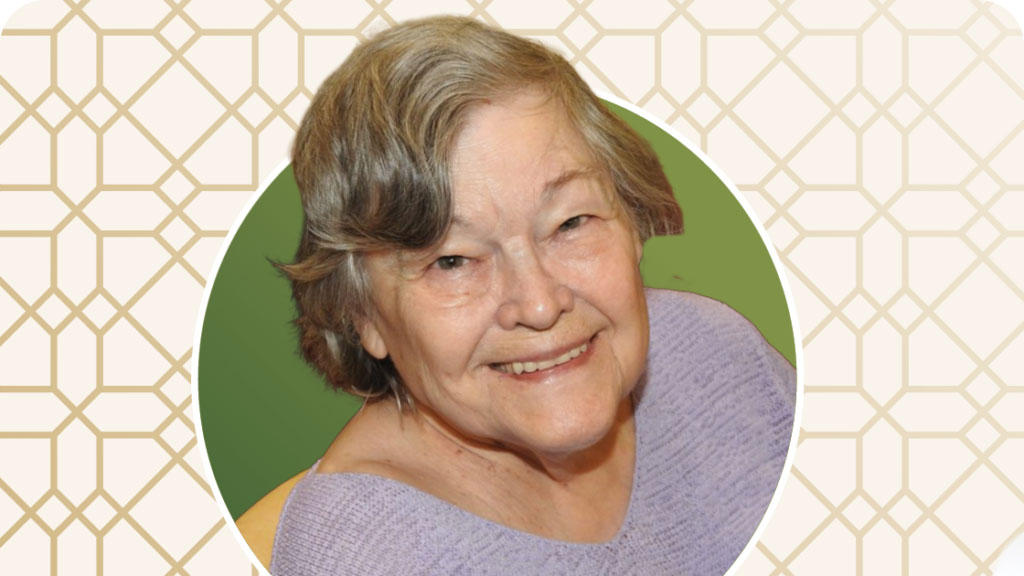
Bonnie was able to choose an apartment with a floor plan she likes. She can stay in and relax or head out and socialize with her friends. She’s always welcome to share chef-prepared meals and be served restaurant-style in the community dining room.
Because independent living seniors like Bonnie are still on the go, scheduled transportation can drive her to local events, shopping and appointments.
From cultural and educational experiences to arts and crafts workshops, clubs, and fitness classes, Bonnie stays as busy as she likes. There’s a full calendar of activities at Sanford Estates that caters to her interests and hobbies.
Why Does Independent Living Make Sense?
You get all the benefits of independent senior living without the legal and financial risks of a CCRC’s contracts and costs.
What is a CCRC?
CCRC stands for continuing care retirement community. You’ll sometimes hear it called a “life plan” community. In this type of senior housing, you’ll find:
- Independent living apartments, townhomes or stand-alone houses.
- Assisted living apartments or studios.
- Memory care apartments or studios for individuals diagnosed with dementia, Alzheimer’s or other cognitive difficulties.
- Skilled nursing suites for people who need long- or short-term round-the-clock care from a professional staff who monitors health conditions and provides intensive rehabilitative therapies.

It’s hard to know what your future holds. You may never need anything more than an independent living situation. While that would be a good thing, you’d be paying for services at a CCRC that you might not ever need.
What Do I Need to Know About Contracts Before I Make My Decision?
If you move into a continuing care retirement community, you’ll be required to sign a complex, legally binding contract and pay an entrance fee along with monthly fees. If you run out of savings or choose to move, your entrance fee may or may not be refundable to you or your estate beneficiaries, depending on your contract. If the property is sold while you are living there, the terms of your contract may change. Ask the advice of a lawyer and financial advisor to avoid hidden costs and pitfalls.
When you move into independent living like Hawthorn Senior Living, you’ll sign a simple rental agreement. This allows you to enjoy the community as a short- or long-term senior living option.
Do All CCRCs Make You Sign a Contract?

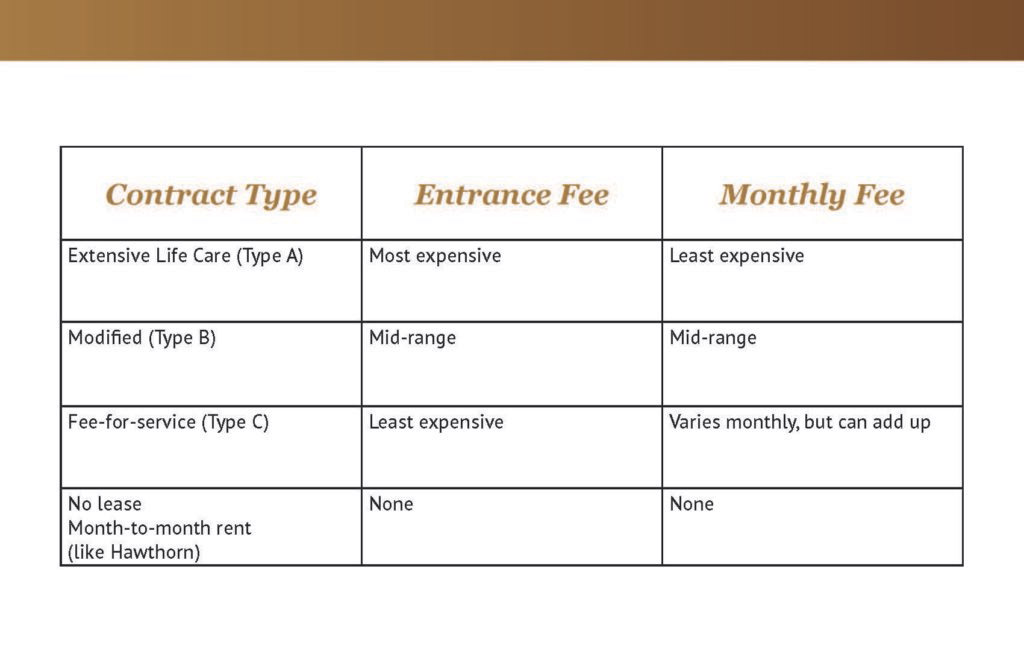
Yes. CCRCs all have contracts. These buy-in contracts typically come in three forms and determine the amount you’ll pay as an entrance fee.
1. Extensive life-care contract (Type A). Assisted living, along with medical and nursing care, will be provided at no extra cost to you. You are prepaying for health care services that you may or may not need in the future.
2. Modified contracts (Type B). You’ll receive medical services for a limited time and up to a certain dollar amount. If you need more care in the future, your costs will rise.
3. Fee-for-service contracts (Type C). This is a pay-as-you-go model, and while this is the least expensive amount initially, the monthly fees keep adding up as the services you need increase.
What Do I Need to Know About Costs Before I Make My Decision?
The decision to live in a CCRC means you’ll be making a major upfront financial investment in the form of an entrance fee and paying even more money in monthly charges. This can mean spending the majority of your lifetime savings. Many people use up the profits from their house sale, pensions, long-term care insurance and other retirement savings to make that large initial investment.
When you move into independent living at Hawthorn Senior Living, you’ll pay only month-to-month rent. You’ll never be charged an entrance fee or additional monthly fees. You get to keep the nest egg you’ve worked so hard for throughout your lifetime.
Is a CCRC a Good Financial Fit for Me?
Across the country, this initial payment averages out to approximately $402,000 but can range from $40,000 to $2 million, according to the non-profit National Investment Center for Seniors Housing & Care.
How Much Should I Budget for Monthly Fees in a CCRC?

Once again, the costs vary and usually rise to keep pace with inflation. Expect fees that may be as low as $500 and top out over $3000.
Source: https://www.seniorhomes.com/ccrc-costs/#entrancefee
Download our Senior Living Cost Worksheet to create a snapshot of your current budget. Then compare those amounts to the entrance costs and extra monthly fees you will be responsible for at a CCRC.
What’s the Difference Between Independent Living at a CCRC Versus Traditional Independent Living?
Level of care:Independent living communities do not provide personal care. At CCRCs, you'll find housing for independent living, assisted living, memory care and skilled nursing.
Cost: Independent living communities are usually less expensive than CCRCs.
Commitment: Independent living communities typically do not require a long-term commitment, while CCRCs often require a one-year or longer commitment.
Location: Independent living communities are often located in suburban or rural areas. CCRCs are most often located in metropolitan areas.
How Do I Make the Choice Between Senior Independent Living on Its Own or as Part of a CCRC?
Although a CCRC has a higher cost and contract, the advantages are:
- Although you may never need assisted living, memory care or skilled nursing, you have the option to stay in the same community if your health changes.
- You can plan and prepare for your future care needs in advance.
- A CCRC can accommodate you and your spouse if you have different levels of health or mobility, although you may not be able to live in the same apartment.
Before you visit continuing care communities, take a look at your current budget. Will you be able to cover the upfront costs of moving in as well as the monthly fees? Our free senior living cost sheet can help you get an estimate of the costs associated with different types of senior living arrangements.
Choose an independent living retirement community if:
- You want to feel at home in a place where you feel loved and connected.
- You want to live out your retirement years without all the work of home ownership.
- You’re looking forward to staying active and involved in your community.
- You are a healthy and independent active adult who is comfortable managing your own care.
- You don’t want to pay a higher price for care that you may never need.
- Signing a complex contract with a high financial obligation sounds risky to you.
Should I Make the Move to Senior Living?
Forget about the old notions that you may have had about retirement homes. Senior living communities are now active places that cater to the interests and needs of older adults. While there are many types of senior living to consider, making an informed decision means comparing the important differences between communities.

What Are the Benefits of Moving to Senior Living?
Here are just a few of the good things about a retirement community.
Socialization: Being around other people is good for you – both mentally and physically. Retirement communities provide many great opportunities to socialize with your family and other community members. Activity directors plan games, classes, parties, holiday celebrations, outings and more. These fun events make it easy for you to stay active and engaged while living your best life.
Security: Security is of utmost importance in a retirement community. With emergency alert pendants, secure apartments and fall prevention measures in place, seniors can rest assured that their safety is paramount. Whether the community employs security guards or has gated entryways, residents enjoy the peace of mind that comes with knowing they are protected from potential harm.
Amenities: Retirement communities often feature a variety of amenities, such as dining rooms, swimming pools, fitness centers, hair salons and libraries. These amenities are hubs of activity and key to helping you thrive in your new home.
Care: Some retirement communities offer continuing care, which means they provide various services depending on people’s needs. Independent living, assisted living, memory care and skilled nursing support seniors in their well-being and daily living.
You’re Invited to Visit Us at Hawthorn Senior Living.
At Hawthorn Senior Living, we like to keep things simple – simply wonderful, simply fun and simply the right choice for independent senior living. We’re ready to answer all your questions. Come for a visit and enjoy one of our delicious meals. We can’t wait to meet you.
DID YOU ENJOY WHAT YOU JUST READ?
Join our exclusive community and subscribe now for the latest news delivered straight to your inbox. By clicking Subscribe, you confirm that you agree to our terms and conditions.
UP NEXT

11 min read
What Is Short-Term Senior Living?
Let’s explore the concept of short-term senior living, its benefits and why it might be the perfect choice for active adults looking to embrace adventure and flexibility in their retirement years.
Frequently Asked Questions
What is the difference between an independent living community and a continuing care retirement community (CCRC)?
Independent living communities are designed for adults aged 55 and older who are healthy, active and do not require assistance with daily activities. These communities offer amenities, social opportunities and maintenance-free living but do not provide personal care or medical support. In contrast, CCRCs offer a continuum of care, including independent living, assisted living, memory care and skilled nursing. This allows residents to transition to higher levels of care as their needs change. CCRCs require a complex contract and a significant entrance fee, while independent living typically involves a simple rental agreement and monthly rent.
What should I consider before signing a contract with a retirement community?
If you are considering a CCRC, you will be required to sign a legally binding contract and pay an entrance fee in addition to monthly fees. These contracts can be complex, and the entrance fee may or may not be refundable, depending on the terms. It’s important to consult with a lawyer and financial advisor to understand the financial commitment, potential hidden costs and what happens if you run out of savings or need to move. Independent living communities usually require only a rental agreement, with no entrance fee or long-term financial obligation.
What are the main benefits of moving to a senior living community?
Retirement communities offer numerous benefits, including opportunities for socialization through planned activities; enhanced security with safety features and emergency systems; a range of amenities like dining rooms, fitness centers and libraries; and, in some cases, access to continuing care services. These features help seniors stay active, engaged and secure, supporting their well-being and independence as they age.

FIND YOUR COMMUNITY
Related Articles
STORIES, INSIGHTS & RESOURCES
As you and your loved ones navigate the exciting opportunities retirement presents, thoughtful planning is key. Stay informed with empowering articles for seniors covering health, lifestyle, finance and more.
Chronicles Of The Heart
RESIDENTS SAY INDEPENDENCE IS A TOP PRIORITY
Below, resi
DID YOU ENJOY WHAT YOU JUST READ?
Join our exclusive community and subscribe now for the latest news delivered straight to your inbox. By clicking Subscribe, you confirm that you agree to our terms and conditions.